 Skip to content

Tackle Your Garage Clean-Out with a Rental Dumpster
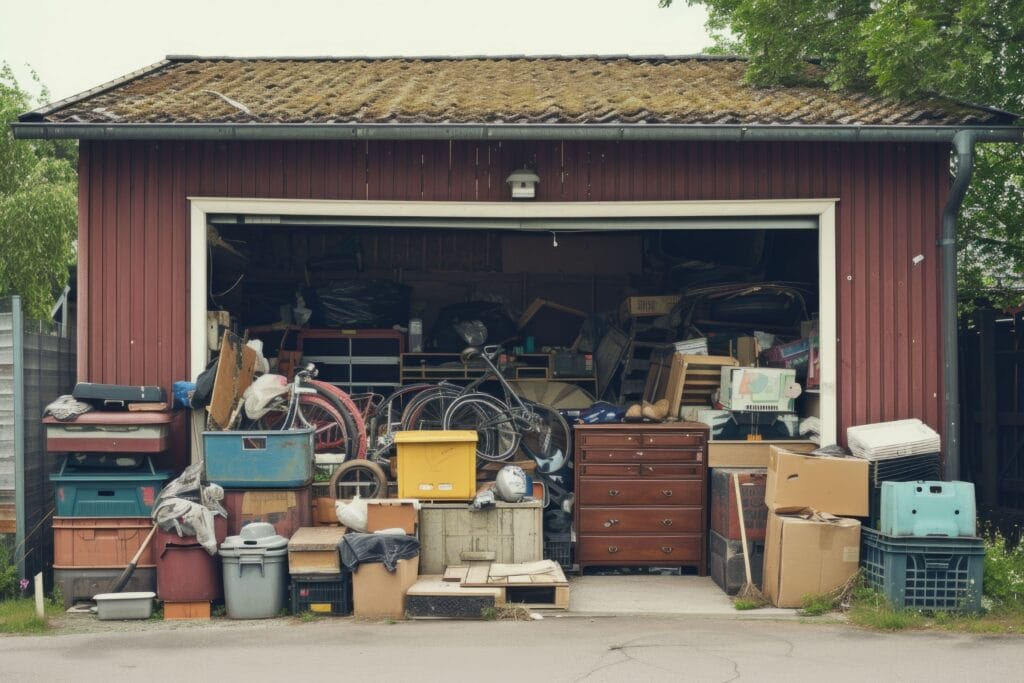
A garage cleanout should leave you with usable space, not a new pile of unwanted items beside the driveway. Renting a dumpster gives you one place for accepted waste while you work, followed by a scheduled pickup. The important decisions happen before delivery: what you actually need to discard, how much space it occupies, whether any materials need separate disposal, and how long loading will take.
For Rochester homeowners, Gateway offers 15-yard and 20-yard roll-off dumpsters, plus pickup service for customer-purchased 3-yard dumpster bags. This guide combines the cleanout plan with the sizing decisions so you can choose an option around your actual project rather than your garage’s square footage alone.
Start with the garage you want back
Decide what the finished space needs to do. You may want to park a car indoors again, reach your tools without moving boxes, or clear a workbench. Identifying that goal makes sorting easier: an item that has not been used in years should not automatically earn a place in the reorganized garage.
Walk the whole space before moving anything. Check shelves, cabinets, overhead storage, and the area behind larger furniture. Make a short inventory of bulky items and dense materials. Photos help you describe the project when asking Gateway for a recommendation, especially when a few large objects account for most of the space.
Do not assume that a two-car garage needs a particular dumpster size. A garage filled with reusable furniture may produce less disposal volume after donations than a smaller garage filled with damaged items. Base the estimate on what will go into the container, not everything currently stored in the building.
Sort before the rental clock starts
Create four clearly marked groups: keep, donate, sell, and dispose. Keep the groups physically separate so a helper does not mistake a donation box for trash. Put important documents, photographs, and sentimental belongings somewhere protected before loading begins.
Work through one section at a time. Starting with an accessible shelf or open corner makes room for the next stage without blocking the exit. Avoid emptying every cabinet at once if doing so leaves no safe route through the garage.
Contact donation organizations before promising them furniture, appliances, or other large items. Acceptance rules, item condition requirements, and pickup availability vary. Arrange collection or drop-off before dumpster delivery when practical, and have a plan for items the organization cannot accept. Likewise, give anything offered for sale a realistic collection deadline. An unsold item still occupies space and may change your disposal estimate.
Set aside anything that needs a separate disposal route. Garages can hold paint, oil, fuel, batteries, propane tanks, tires, electronics, and chemical products. Do not mix these into bags of household clutter. Check Gateway’s frequently asked questions and confirm acceptance before loading an unfamiliar material.
Choose between Gateway’s two roll-off sizes
Gateway’s current rental page lists these container dimensions:
| Container | Listed dimensions | How to think about it |
|---|---|---|
| 15-yard | 14 feet long × 8 feet wide × 4.5 feet high | Consider for a smaller disposal pile after usable items have been removed. |
| 20-yard | 14 feet long × 8 feet wide × 6 feet high | Consider when bulky items or a larger disposal pile need additional volume. |
Both have the same listed length and width. The 20-yard container adds height, not a longer driveway footprint. Neither set of dimensions represents the total clearance the delivery truck needs. Access, overhead obstacles, space to maneuver, and room to use the container door must also be checked.
Avoid treating pickup-truck loads as exact conversions. Truck-bed sizes, loading height, and the spaces between irregular items vary. A pile of flattened boxes does not pack like a recliner or an assembled shelving unit. List the largest items and take photos rather than relying on a generic truck-load count.
For broader sizing guidance across different projects, see Gateway’s dumpster sizes guide. For this cleanout, ask about the material you have left after sorting and whether any heavy items require special loading instructions.
Separate volume from weight
Cubic yards describe space. Included tonnage describes how much disposal weight is included in the rental price. These are different limits, and neither should be confused with the container’s safe transport capacity.
Gateway’s current pricing page states that orders include one ton, or 2,000 pounds, and additional weight is billed per pound. Choosing the 20-yard container does not mean the included weight increases. Review the current pricing and terms before booking rather than assuming a larger container includes a larger disposal allowance.
Books, metal, tools, and construction material can make a load heavy before it looks full. If the project includes concrete, brick, dirt, or other dense debris, describe it to Gateway before choosing a container. Material-specific restrictions may apply. Do not fill to the rim simply because empty space remains, and do not use an included weight allowance as permission to exceed loading instructions.
Snow and water can also add weight. Gateway recommends covering the container during winter to keep snow out. Ask about an appropriate covering arrangement and keep access safe during loading and pickup.
Check placement before delivery
Measure the proposed placement area and note fences, parked vehicles, gates, branches, and overhead wires. Leave room to move items out of the garage without trapping a vehicle or blocking a walkway. If the driveway is shared, coordinate access before scheduling the delivery.
Tell Gateway about a narrow entrance, slope, tight turn, or limited approach. Because the two roll-off sizes have the same listed footprint, choosing the 15-yard option does not automatically solve an access problem. Have the delivery arrangement assessed instead of assuming either container will fit based on dimensions alone.
Gateway’s pricing page says permits are required for placement that is not on private property. Confirm the requirements with the relevant municipality before arranging a street or other public-area placement. A driveway plan that keeps the container entirely on private property still needs safe truck access and enough working room.
Match the rental period to the work
A one-day rental can be practical when sorting is complete, helpers are available, and the disposal pile is ready to load. A multi-day option may suit a project spread around work or family schedules. Compare Gateway’s one-day, three-day, and longer rental options against the time you realistically have.
If you are including a basement or attic, inventory those areas before booking. Adding another room halfway through the rental changes the estimate. There is no dependable rule that a combined cleanout equals a fixed number of truck loads.
A larger container and a smaller container with a later swap are different cost scenarios. Compare the current size difference, rental duration, included tonnage, extra weight, and swap terms. Do not assume that two smaller loads will cost less, or that sizing up is always necessary. Gateway can help compare options based on the actual material and timing.
Load safely and leave pickup access clear
Keep a clear walking route and use help for heavy or awkward objects. Dismantle items only when it is safe to do so. Breaking down an empty shelving unit can reduce wasted space, but avoid taking apart equipment containing fuel, chemicals, or components that need special handling.
Distribute material rather than piling all the weight at one end. Follow Gateway’s instructions for the container and material, and keep waste below the required fill level. Never build a mound above the sides to squeeze in the final few items. Contact Gateway if the container fills before you finish.
Before pickup, move vehicles and other obstacles out of the driver’s access route. Check that nothing intended for donation or keeping has ended up in the disposal pile. Then use the cleared garage deliberately: put frequently used items within reach and avoid refilling the floor with undecided boxes.
Frequently asked questions
What size dumpster do I need for a two-car garage?
The contents matter more than the number of parking spaces. Sort first, photograph the remaining pile, and identify bulky or dense materials. Gateway offers 15-yard and 20-yard roll-offs. Ask for a recommendation based on those items rather than assuming every two-car garage needs the same size.
Does a 20-yard dumpster need more driveway length?
Gateway lists both its 15-yard and 20-yard containers at 14 feet long and 8 feet wide. Their heights differ: 4.5 feet and 6 feet, respectively. Truck access and working clearance need separate assessment, so the container footprint alone does not establish whether delivery is possible.
How much weight is included?
Gateway’s current pricing page lists one ton, or 2,000 pounds, included with orders, with additional weight billed per pound. This is a pricing allowance, not a statement of maximum safe load. Confirm material-specific restrictions and current terms before booking.
What if a roll-off is more than I need?
Gateway offers pickup service for customer-purchased 3-yard dumpster bags. Gateway does not sell or provide the bags. Check bag requirements, accepted contents, placement, and pickup access before purchasing or filling one. See the 3-yard bag pickup service for details.
Should I book a larger dumpster or plan a swap?
Compare the whole rental arrangement, not just volume. The answer depends on the remaining pile, material weight, loading schedule, and current swap terms. Tell Gateway about those factors so you can compare a larger container with a staged cleanout before committing.
Plan your garage cleanout with Gateway
A useful rental matches the waste you actually have, the access available, and the time you need. Review Gateway’s dumpster rental options or contact the team with photos and your project timeline. Sorting first and checking the details before delivery helps you spend the rental period clearing the garage rather than rearranging decisions.