 Skip to content

What Size Dumpster Do I Need? How to Choose the Right One for Your Project
Most dumpster size guides walk you through the specs of each container. That’s useful reference material, and if you want it, our complete dumpster sizes guide compares common sizes and distinguishes Gateway’s available containers. This post is different. Instead of starting with the containers, we’re starting with your project. Because the right dumpster size depends entirely on what you’re throwing away, how much of it there is, and a few factors most first-time renters don’t think about until it’s too late.
How to Estimate Your Debris Volume
Start with a room-by-room inventory, including closets, attics, garages, and sheds. Note large items, materials, and anything still hidden behind walls or under flooring.
For material already in a pile, measure its length, width, and height in feet. Multiply those measurements, then divide by 27 for a rough volume in cubic yards. Irregular shapes and air gaps make this an estimate, not a promise that everything will fit or remain within loading limits. A pickup-truck load is not a fixed unit because bed sizes and loading heights vary.
| What to record | How it helps |
|---|---|
| Rooms and items being cleared | Reduces overlooked debris |
| Pile dimensions in feet | Provides a rough cubic-yard estimate: length × width × height ÷ 27 |
| Material types and photos | Helps Gateway discuss volume, weight, and loading limits |
| Delivery location and access | Helps check placement before booking |
Send Gateway photos or describe the pile dimensions for help choosing between its 15-yard and 20-yard containers.
The Volume vs. Weight Problem Most Renters Miss
Here’s where first-time renters get tripped up: a dumpster has two limits, not one. There’s the volume limit (how much physical space is inside the container) and the weight limit (how heavy the load can be before you hit overage fees). You can max out either one independently.
Bulky items can use available space before reaching a loading limit, while dense debris can become heavy before the container looks full. Gateway includes one ton of disposal in either size. That billing allowance is not a statement of the maximum safe load.
A dumpster loaded with roofing shingles, concrete chunks, or hardwood flooring might only fill a 15-yard container halfway but blow past the weight limit. That’s a weight problem. The container has plenty of room, but the scale doesn’t care.
This distinction changes how you choose:
Light, bulky debris (furniture, household junk, cardboard, yard waste): Size for volume. Get a container big enough to physically fit everything. Still check the included allowance and loading limits.
Heavy, dense debris (shingles, concrete, dirt, tile, wet materials): Size for weight. You may not need a massive container, but you need adequate weight allowance. Tell your dumpster provider what materials you’re loading so they can set the right limits.
Mixed debris (renovation projects with drywall, wood, fixtures, and general junk): Size for volume first, then double-check weight. Kitchen and bathroom remodels typically produce mixed loads that need both room and weight capacity.
Match Your Project to the Right Dumpster Size
Use these starting points for a conversation with Gateway, not guarantees that an entire room, roof, or house will fit. Material type, layers, and project scope matter. Gateway rents 15-yard and 20-yard containers; larger projects may need a planned swap-out.
For detailed specs on each container. Exact dimensions, height comparisons, and capacity breakdowns. See our complete dumpster sizes guide.
| Your project | Planning starting point | What to check |
|---|---|---|
| Garage, basement, or moving cleanout | Compare 15 and 20 yards | Inventory bulky items and hidden storage before choosing. |
| Bathroom or kitchen remodel | Discuss scope and materials | Tile, fixtures, countertops, and demolition layers can add weight quickly. |
| Estate cleanout | Inventory after donations and sales | Remaining contents determine volume; do not assume a whole house fits. |
| Deck removal | Provide dimensions and material type | Wood, composite material, and moisture affect weight. |
| Roofing tear-off | Discuss loading limits first | Roof area, shingle type, and number of layers matter. |
| Yard or landscaping project | Describe materials before booking | Branches and soil behave differently; confirm acceptance and loading limits. |
| Whole-house renovation | Plan phases and possible swap-outs | Gateway offers 15 and 20 yards. Confirm extra-haul costs and scheduling. |
Five Sizing Mistakes That Cost You Money
Forgetting Hidden Spaces
You estimated the main rooms but forgot the attic full of holiday decorations, the crawl space under the porch, the shed in the backyard, and the closet in the spare room that hasn’t been opened in three years. In Rochester-area homes. Especially the older colonials and Cape Cods throughout Monroe and Ontario counties. These hidden storage areas can add an entire dumpster size worth of material to your estimate.
Undersizing to Save Money
Compare the cost of the appropriate container with any additional haul, rental time, or extra weight your project may require. A larger container can help with bulky debris, but both Gateway sizes include one ton, so sizing up is not a substitute for heavy-load planning.
Not Breaking Down Bulky Items
Breaking down suitable furniture and flattening boxes can reduce gaps and make loading easier. The benefit varies by item and load; it does not guarantee a particular capacity gain or permit exceeding loading limits.
Ignoring Material Weight
We covered this above, but it’s worth repeating: heavy materials are the most common source of overage fees. A single bundle of roofing shingles weighs 60–80 pounds. Wet debris (rain-soaked mattresses, waterlogged cardboard) can double in weight overnight. If rain is in the forecast for your rental period, cover the dumpster with a tarp or load moisture-heavy items last.
Loading Without a Plan
Plan loading with Gateway’s instructions in mind. Breaking down suitable items and avoiding large gaps can use the space more efficiently, but there is no fixed percentage gain. Keep the load within the agreed fill and weight limits.
When to Size Up vs. When the Smaller Container Works
Size up when:
Your inventory suggests the smaller container may not provide enough volume, particularly for bulky items. Compare the larger size with a planned swap and the rental time you need. For heavy materials, discuss loading limits instead of assuming a larger container solves the problem.
The smaller size is fine when:
You’ve done a thorough room-by-room inventory and your estimate is confident. You’ve already donated or sold a significant portion of the items. The debris is mostly light, bulky material (clothing, cardboard, plastic). You have flexibility to schedule a swap if needed. You’ll be the one loading and can break down items methodically.
Not Sure? Tell Us About Your Project
Gateway Dumpsters is a veteran-owned, locally operated dumpster rental service based in Victor, NY, serving Rochester and surrounding communities within a 25-mile radius. We’re not a national call center. We’re the team that delivers the dumpster to your driveway, and we do it on time, every time.
Describe your project and we’ll recommend the right size. Call Gateway Dumpsters or request a quote online.
Frequently Asked Questions
What if I rent a dumpster and it’s not big enough?
Contact your provider to schedule a swap. They’ll pick up the full container and drop off an empty one. This adds cost, which is why sizing up one level from your estimate is usually the smarter move when you’re on the fence.
Can I load a dumpster past the top of the walls?
No. Material cannot extend above the top edge of the container. This is a transportation safety requirement. The driver needs to tarp or cover the load, and overloaded containers can’t be safely lifted onto the truck. Always load level with the sides.
Is it cheaper to rent one large dumpster or two small ones?
It depends on the rental period, debris volume and weight, and any extra haul or swap-out required. Compare the actual options with Gateway. Both 15-yard and 20-yard rentals include one ton of disposal, so a larger container does not provide a larger included weight allowance.
How do I know if my driveway is big enough for the dumpster I need?
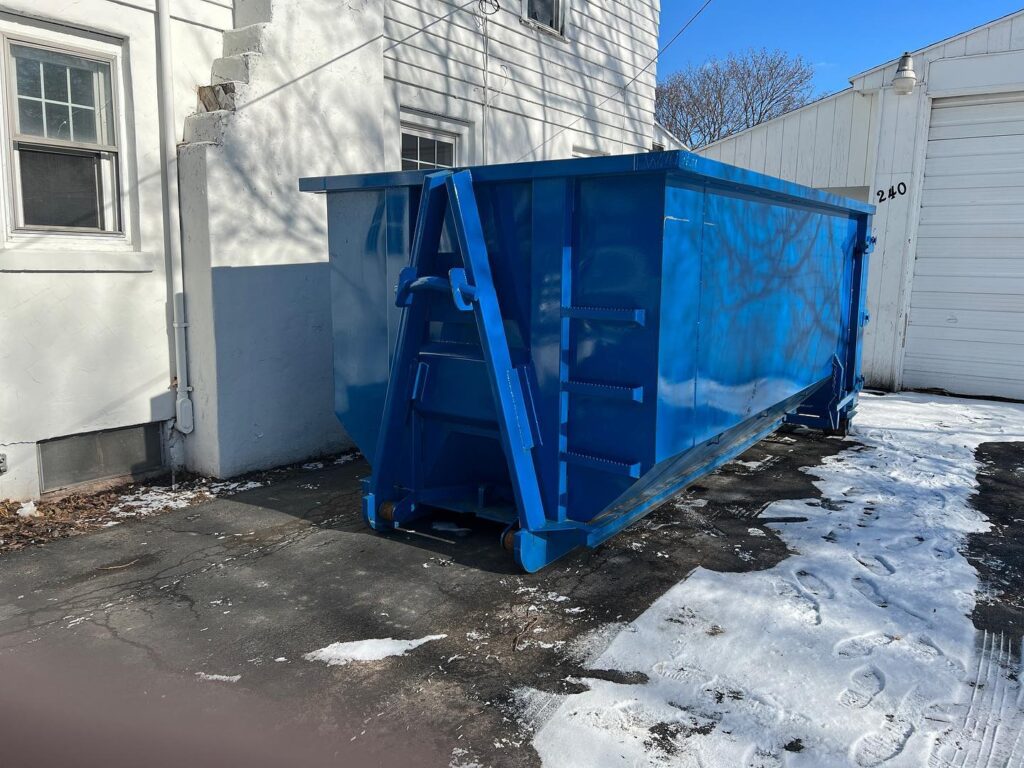
Gateway’s 15-yard and 20-yard containers are both 14 feet long and 8 feet wide, with heights of 4.5 and 6 feet respectively. The truck and loading access require additional space. Measure the site and discuss slopes, overhead clearance, and access with Gateway before booking.
What’s the most common dumpster size for a home project?
The 15-yard is the most frequently rented residential container. It handles the majority of garage cleanouts, bathroom remodels, and moderate decluttering projects without being oversized for a typical driveway.
Do heavier materials cost more to dispose of?
Gateway’s 15-yard and 20-yard rentals each include one ton (2,000 pounds) of disposal. Weight above that allowance is billed at $0.0625 per pound. Heavy materials can reach loading limits before the container looks full. Tell Gateway what you plan to load before booking; extra volume does not mean extra included weight.