
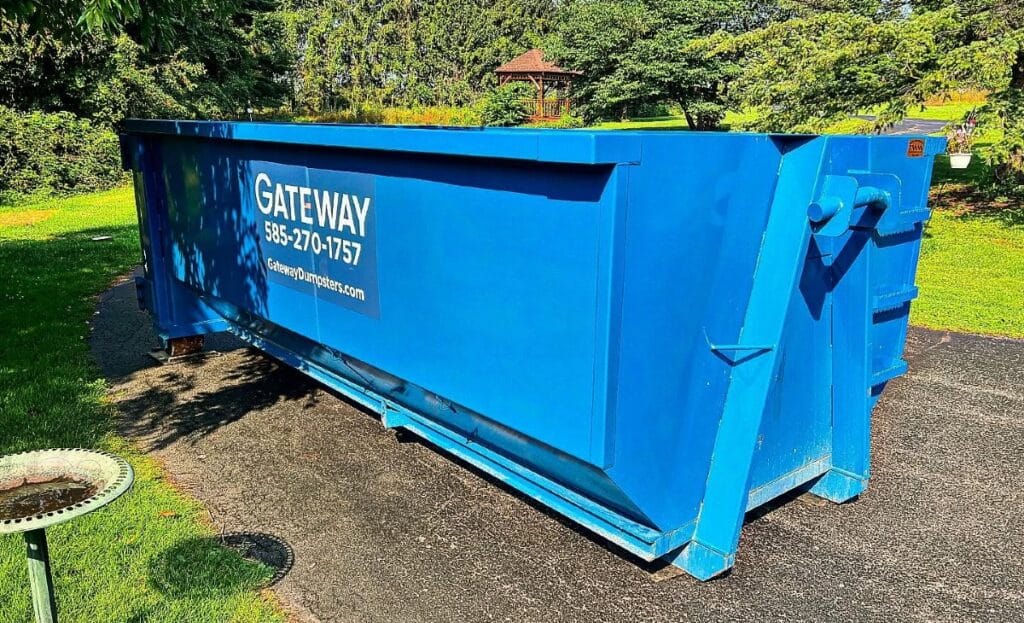
6 Tips to Prepare for Your Dumpster Rental
Whether you’re tackling a home renovation, decluttering before a move, or cleaning out the garage, renting a dumpster can make the job smoother, faster, and far more manageable. But before that big container rolls up your driveway, it’s worth taking a little time to prepare.
6 Tips to Prepare for Your Dumpster Rental
Getting a dumpster rental for your Rochester home or commercial project Getting a dumpster rental for your Rochester home or commercial project may seem straightforward: drop it off, fill it up, haul it away. But there are a few key details that can impact cost, convenience, and even safety. From scheduling logistics to local permits, being prepared can help you avoid surprises and keep your project on track.
Don’t Wait Until the Last Minute
One of the most common mistakes homeowners make is assuming a dumpster will be available on short notice. Especially during peak seasons, such as spring cleaning, summer construction, or fall festivals, rental companies can book up days or even weeks in advance. It’s a good idea to schedule your dumpster delivery a few days or weeks before your project begins. That way, you won’t lose valuable time waiting, and you’ll have a cushion in case of delays.
Be sure to communicate your expected rental duration so the company can plan for pickup and availability. Don’t forget to ask about weekend or holiday delivery and pickup restrictions. Some companies only operate on weekdays, which can affect your timeline if you’re working over a long weekend.
Know What Size You Need
Dumpsters come in a range of sizes, typically measured in cubic yards—common options include 10, 15, 20, and 30-yard containers. A very small cleanout might only need a 10-yard bin, but larger renovation projects and deep cleaning can take a 15-yard dumpster, while whole-home purges can fill a 20 or 30-yard dumpster quickly.
Choosing the wrong size can be costly. If you go too small, you may need a second dumpster or an early pickup. Too large, and you’re paying for space you won’t use. When in doubt, describe your project to the rental company. It’s their business, so they can help you choose the right size for your needs.
Check Permit Requirements Before Delivery
Depending on where you live and where the dumpster will be placed, you may need a permit. Most cities don’t require permits if the dumpster is going on private property, like your driveway. But if it needs to be placed on the street, sidewalk, or any public right-of-way, you’ll likely need to get permission from your local municipality.
Permit regulations vary widely. Some cities allow online applications and same-day approvals; others require in-person visits or several days of lead time. Your dumpster rental provider may offer to help, but ultimately, it’s your responsibility as the property owner to ensure everything is in order before delivery.
If you have a homeowners’ association where you live, that organization may also have limitations to keep in mind when setting up your dumpster delivery. Go through the rules or ask appropriate association officers what these restrictions may be prior to delivery.
Prepare the Placement Area in Advance
Where the dumpster goes matters, both in terms of convenience and safety. Ideally, place it on a flat, hard surface like a concrete driveway. Avoid grassy areas, steep slopes, or uneven ground, as they can make loading difficult or even cause the dumpster to shift. Before the dumpster arrives, clear the area of vehicles, low-hanging branches, or anything that might block access for the delivery truck.
Keep in mind that most dumpsters need at least 20–30 feet of clearance space, including vertical clearance for lifting and lowering the bin. If your driveway is asphalt or newly sealed, consider laying down plywood or boards under the dumpster to prevent scratching or surface damage. When you set up your delivery, ask if they include dumpster pads in their rental price.
Know What You Can and Can’t Toss in It
Not everything can go into a dumpster. While general household debris, wood, drywall, and yard waste are usually fine, hazardous materials are strictly prohibited. That includes paint, batteries, chemicals, tires, electronics, and appliances containing refrigerants. Disposing of prohibited items can result in additional fees or even fines.
Your rental company will provide a list of acceptable and restricted items, so take a few minutes to review it before you start loading. Avoid overfilling the container. Most dumpsters have a “fill line,” and exceeding it can prevent safe pickup or result in extra charges.
Plan for Pickup, Even If You’re Not Done
It’s easy to underestimate how long cleanup will take. Many dumpster rentals include a fixed number of days in the base price, after which daily fees may apply. If you need more time, it’s usually best to request an extension before your rental ends, rather than scramble at the last minute.
On pickup day, make sure the area is clear and accessible for the truck to retrieve the dumpster. If the driver can’t access the bin due to cars, fences, or overhead wires, they may have to reschedule and charge you for the trip.
A Little Planning Goes a Long Way
For residents of Rochester, a dumpster rental can be a huge time-saver, but a little advance preparation makes all the difference. By planning ahead, securing permits, and knowing what to expect, you’ll ensure a stress-free experience—and keep your project moving forward. For more information on dumpster rental preparation tips and scheduling guidelines in Rochester, contact Gateway’s friendly team today!